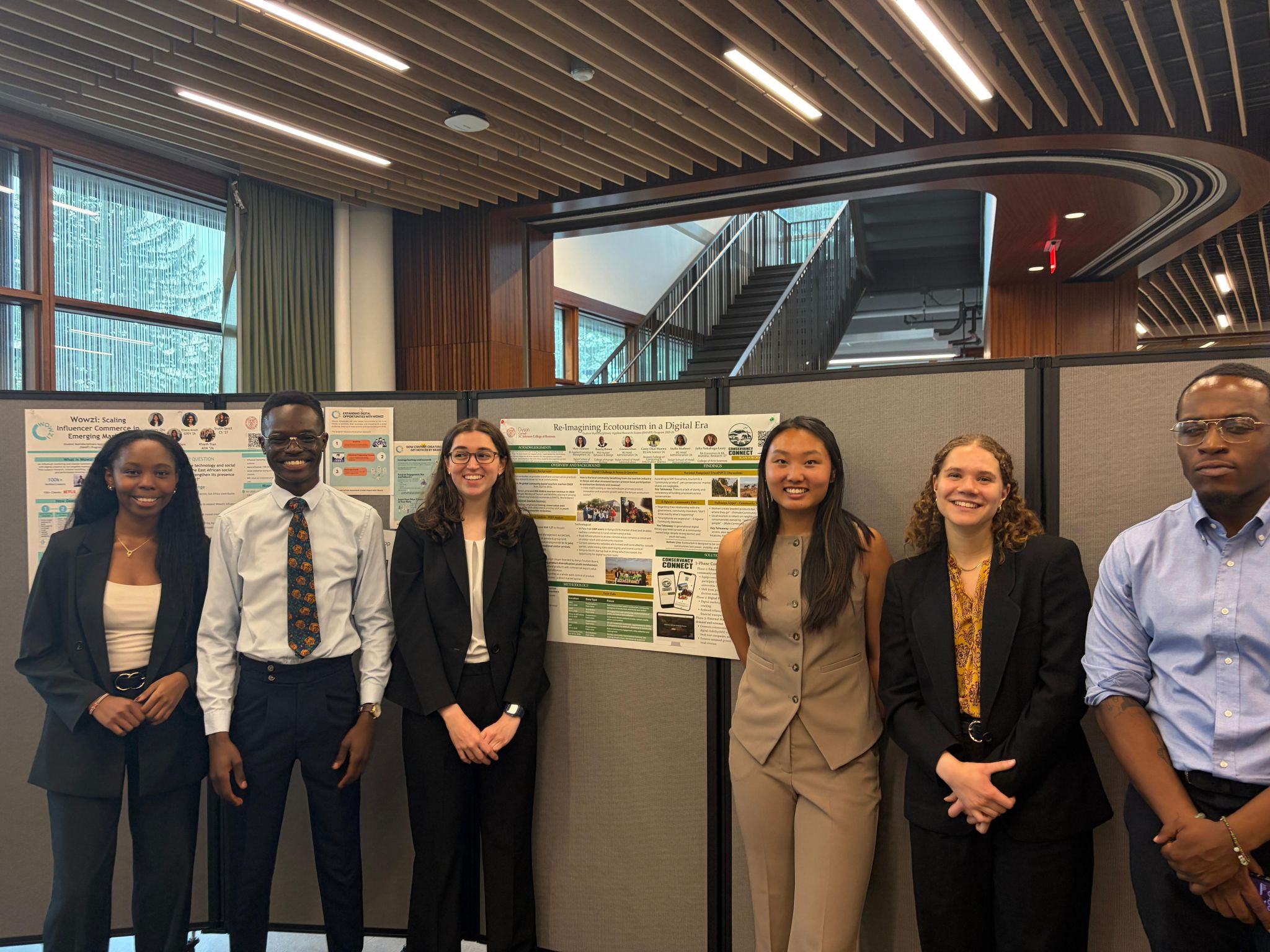
ommunity conservancies in East Africa do conservation-critical work, then compete for visibility against international booking platforms that take big cuts and couldn't care less about sustainability. I was selected to join a team of seven as part of the SMART Fellowship at Cornell, in partnership with USIU Chandaria Business School, to contribute to solutions to this problem.
What we built
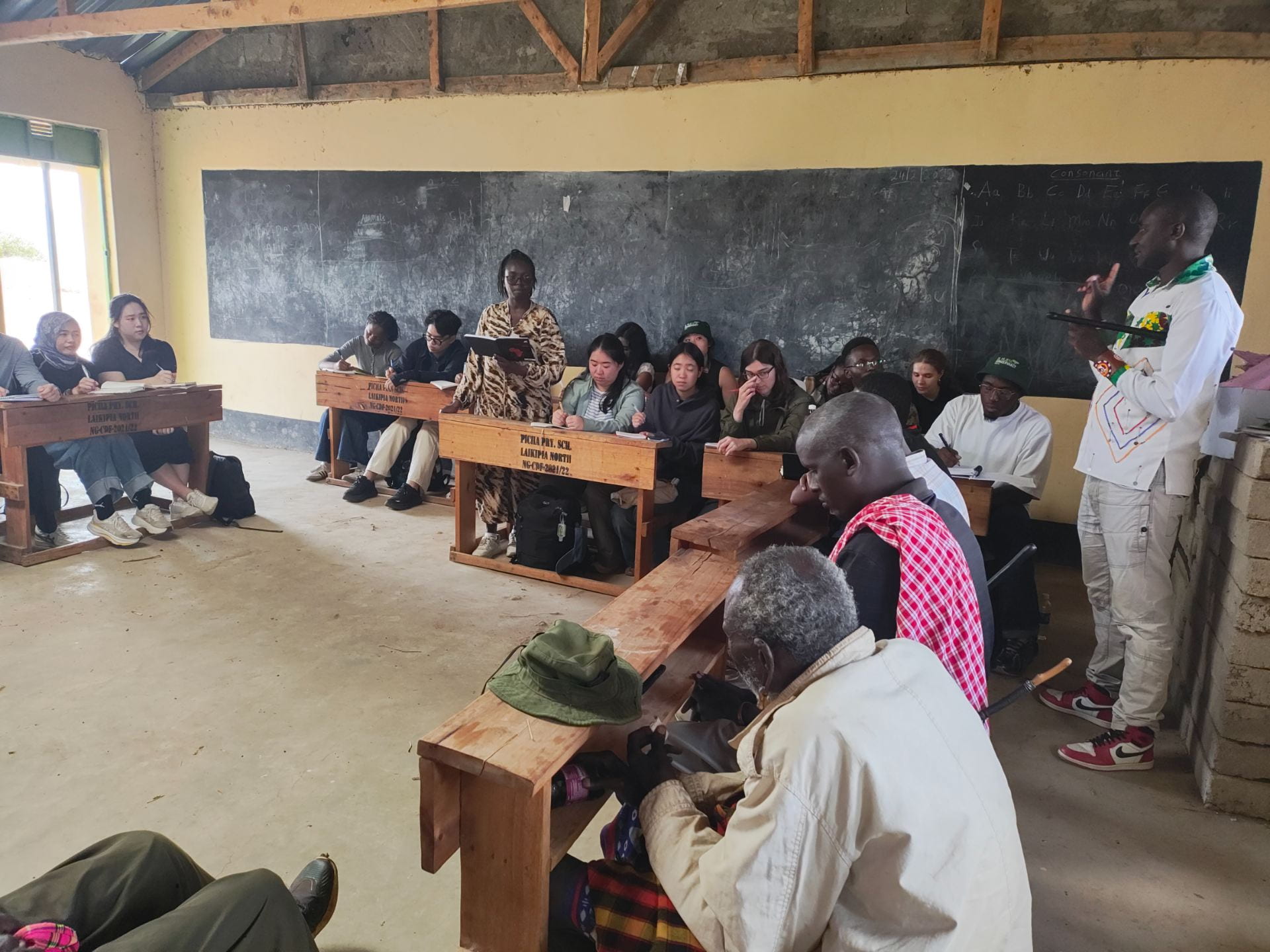
After a semester of research on Kenyan ecotourism, we spent winter break embedded in conservancies in Laikipia County, talking with community members and seeing the challenge up close. From that groundwork, I led development of our team's Community Tourism Relay, built for Il Ngwesi. It had three main pieces.
- Bookings. Lodge stays, homestays, guided wildlife walks, and cultural experiences, all booked directly. A Community Tourism Steward confirms each booking over SMS, and payment runs through M-Pesa, card, or PayPal.
- The Maasai Marketplace. An online shop for handmade goods from the community, including jewelry, bags, clothing, decor, and art, with cart, checkout, and delivery within Kenya.
- The Community Portal. A revenue dashboard tracking bookings and income, alongside a merchant portal where community members manage their own listings.
Where it's headed
Following the hackathon, the project was adopted by the Kenya Wildlife Conservancies Association (KWCA), the national umbrella body representing community and private conservancies across Kenya. KWCA is now leading continued development of the platform, with the goal of extending the Community Tourism Relay model beyond Il Ngwesi to conservancies nationwide.